
Bed Bug Removal Manhattan, NY | Specialists, Not Generalists
Licensed and insured bed bug removal serving all Manhattan neighborhoods. Free inspection before any quote.
Quick Answer
Bed bug removal in Manhattan typically takes 6 to 8 hours for heat treatment or 2 to 4 hours for chemical treatment, with a follow-up visit scheduled 10 to 14 days later. Most Manhattan apartments require a single heat treatment session to eliminate all life stages, including eggs.
What Bed Bug Removal Actually Involves
Bed bug removal is not a single visit with a spray can. A real removal process starts with a thorough inspection, confirms the species and extent of the infestation, produces a written report, and then follows a treatment protocol matched to the specific unit, building type, and infestation level. In Manhattan, that means understanding the particular challenges of dense apartment buildings, shared walls, and pre-war construction.
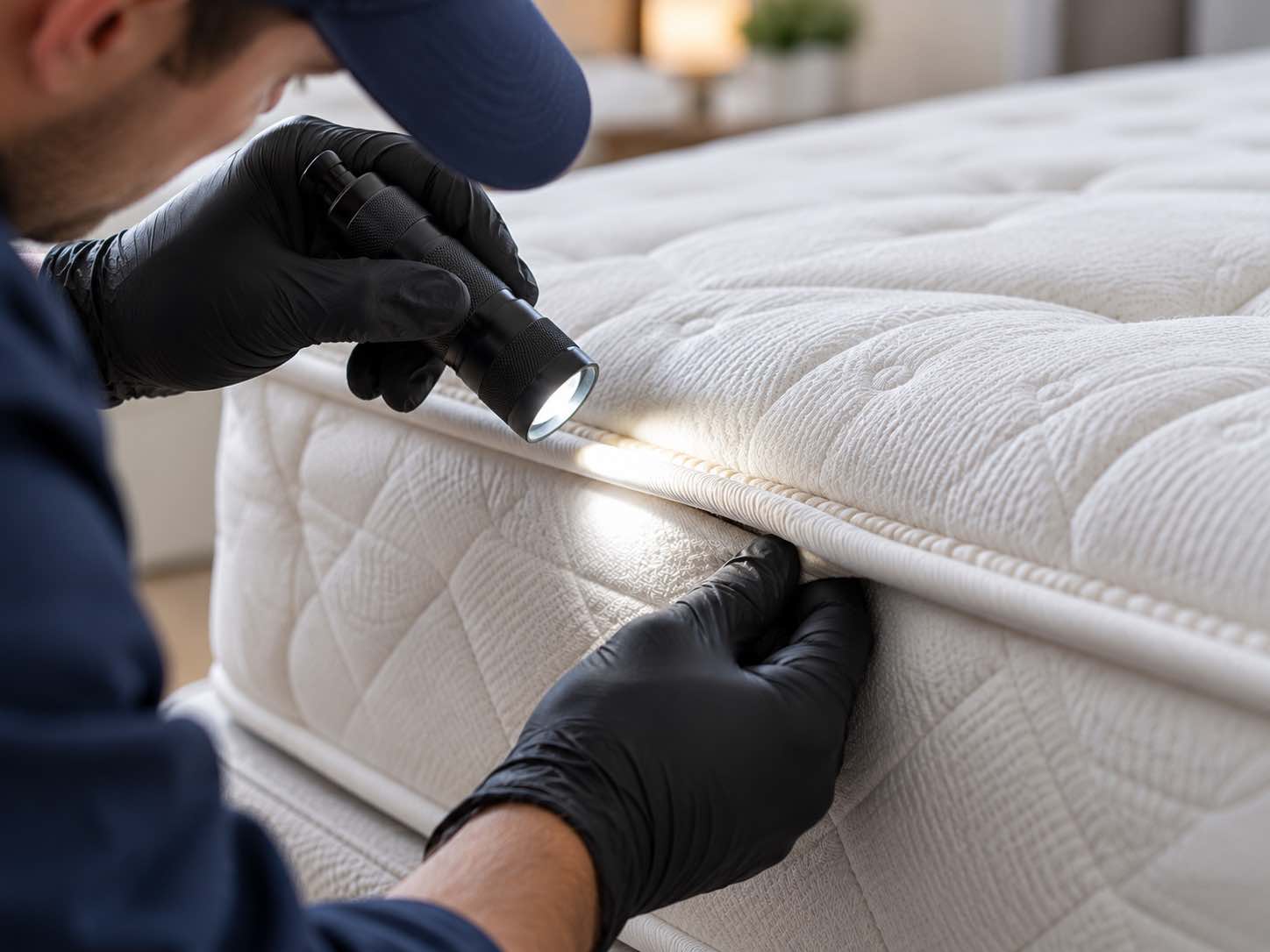
Every bed bug removal engagement with Specialized Bed Bug Solutions starts the same way: a free, no-obligation inspection. We do not quote a price before we look. That is not because pricing is complicated; it is because giving you a number before we know what we are dealing with would not be honest. The inspection tells us which rooms are affected, how severe the infestation is, and which treatment method is most appropriate.
We then provide a written report with findings and a clear treatment recommendation. If you want to proceed, we schedule the treatment. If you want a second opinion, that is completely fine. We want you to make an informed decision, and we believe the inspection itself demonstrates the level of care we bring to the work.
After treatment, we schedule a follow-up visit at 10 to 14 days to verify results. For heat treatment, this visit is often a confirmation check. For chemical treatment, a second application may be part of the protocol depending on what we find at the follow-up.
Free inspection before any quote. We confirm the infestation, identify the scope, and give you a written recommendation before any money changes hands.
Why a Specialist Gets Better Results Than a Generalist
A generalist pest control company treats dozens of different pests and has to maintain protocols for all of them. Their technicians know enough about bed bugs to apply a treatment, but they may not know enough to recognize a re-infestation vector, understand how an infestation moved from unit 4B to 5B through the electrical conduit, or identify a harborage point inside a door hinge that a standard mattress inspection would miss.
We focus specifically on bed bugs, cockroaches, and fleas. That is it. Everything we know about treatment protocols, inspection technique, and infestation patterns applies directly to what you are dealing with. We have seen how bed bugs behave in the pre-war buildings on the Upper West Side. We know what a mature infestation looks like in a Hell’s Kitchen studio versus a Gramercy two-bedroom. That experience does not come from a generalist curriculum.
The EPA recommends confirming a bed bug infestation before treating, using integrated pest management approaches, and working with a licensed professional. You can read more at epa.gov/bedbugs. We operate exactly within those guidelines on every job.
The Removal Process from Start to Finish
Here is exactly what happens when you call us for bed bug removal in Manhattan.
-
Free Inspection
We inspect all primary harborage areas: mattress seams, box spring folds, headboard joints, baseboard edges, electrical outlets, upholstered furniture, and any clutter near the sleeping area. We take our time. A 30-minute inspection is not sufficient for a thorough assessment of a Manhattan apartment.
-
Written Report and Treatment Recommendation
You receive a written report identifying what we found, where we found it, and what we recommend. The report is yours. It is useful for conversations with landlords, insurance companies, or property managers.
-
Preparation Instructions
Before treatment day, we give you specific preparation instructions. For heat treatment, this includes removing heat-sensitive items. For chemical treatment, it includes bagging clothing and clearing floor space. Proper preparation directly affects whether treatment succeeds. We walk you through everything in advance so nothing is missed. See the full treatment process page for details.
-
Treatment Day
We arrive on time, work efficiently, and treat the entire affected area. For heat treatment, specialized equipment raises the room temperature to 120 degrees Fahrenheit or higher and holds it there long enough to kill bed bugs at all life stages, including eggs. Learn more about bed bug heat treatment in Manhattan. For chemical treatment, we apply EPA-registered products to all identified harborage points.
-
Post-Treatment Guidance
Before we leave, we tell you exactly what to do and what not to do in the days following treatment. This matters. Moving items between rooms or vacuuming too early can interfere with the residual effect of chemical treatments.
-
Follow-Up Visit
At 10 to 14 days, we return to verify results. For heat treatment, this is typically a confirmation that no survivors were present. For chemical treatment, we assess whether a second application is needed. We do not close the job until the problem is resolved.
What to Expect Before, During, and After Treatment
Before treatment: you will prepare the space according to the instructions we provide. This is your most important contribution to a successful outcome. A well-prepared apartment allows heat to circulate properly and ensures chemical products reach all harborage areas.
During treatment: for heat treatment, you will need to leave the unit for the duration. Equipment is set up to circulate heated air throughout the space. For chemical treatment, the vacancy period is typically 4 hours. We monitor the process and do not leave until we have verified the treatment was completed properly.
After treatment: avoid disturbing treated areas for 24 to 48 hours after a chemical application. For heat treatment, you can return the same day once the space has cooled. In either case, do not move furniture from the treated unit to another unit or common area immediately after treatment, as this can spread any remaining stragglers.
Manhattan’s dense residential buildings mean that a single treated unit sometimes experiences re-introduction from adjacent spaces. If you live in a building where a neighboring unit is also infested, coordinating treatment with your landlord or building management is worth discussing. We can assist with that conversation.
Serving All Manhattan Neighborhoods
From Washington Heights to the Financial District, we respond to bed bug calls across every Manhattan zip code.